“Earth — for Life, Space — for Industry”: 9th Global Conference on Non-Rocket Near Space Industrialization Held
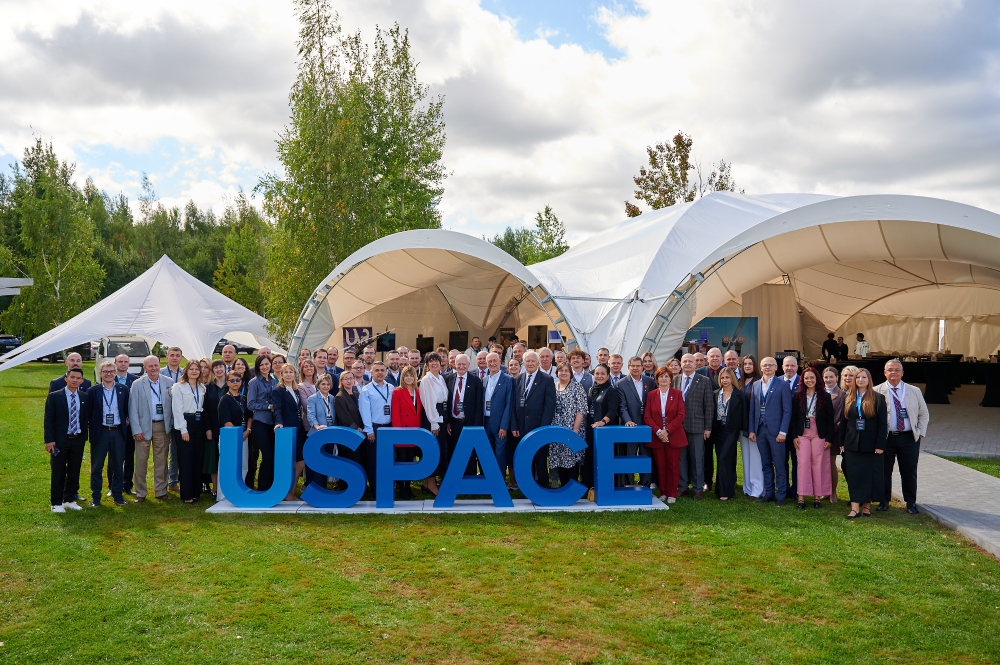
Under the chairmanship of Anatoli Unitsky, engineers and scientists presented their developments and discussed the prospects for the uSpace program for non-rocket near space industrialization. The conference brought together participants from 30 countries both in person and online.
General Designer of Unitsky String Technologies Inc. and Astroengineering Technologies LLC Anatoli Unitsky presented his Plenary Report “Ideal Terrestrial and Geospace Transport”, in which he outlined the principles behind the development of transport systems that follow the laws of physics while minimizing their impact on the environment.
On Earth, this approach is embodied in uST technology — a system combining the steel wheel, advanced aerodynamics, and movement along a prestressed string rail overpass. Its geospace counterpart is the General Planetary Vehicle (GPV). According to the General Designer’s calculations, the system will be capable of transporting up to 10 million tonnes of cargo and up to 10 million passengers from Earth into orbit and back in a single flight. The GPV is powered by electrical energy and, unlike rockets, does not rely on environmentally harmful chemical fuel or produce harmful atmospheric emissions. Both technologies are part of the fundamental EcoSpace program, including its space-oriented component, the uSpace program, developed by Anatoli Unitsky.
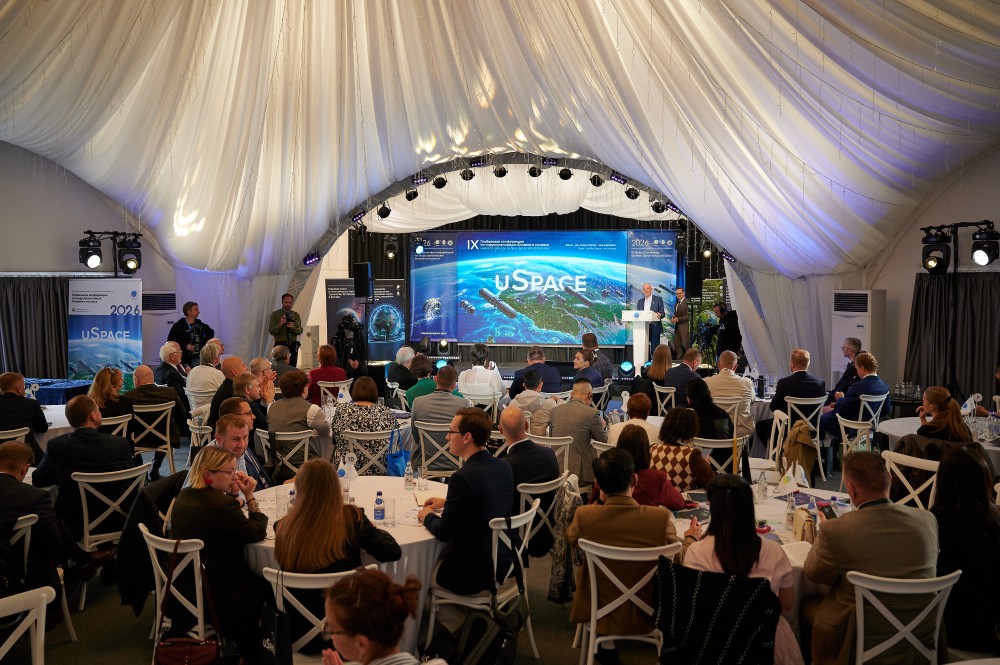
“Modern transport takes millions of lives every year, pollutes the atmosphere, and destroys natural ecosystems. Rocket technologies, which opened the way to space, remain expensive, dangerous, and environmentally unsafe. We are increasingly focused on improving existing technologies, but rarely ask ourselves: have we chosen the right direction of development in the first place?
Every civilization leaves a footprint. And today, we must decide whether that footprint will become a road to the future or a scar on the surface of our planet. This is why we speak of the need to transition to a new generation of engineering — biosphere engineering that develops not in defiance of the laws of nature, but in harmony with them,” Anatoli Unitsky emphasized at the opening of the forum.
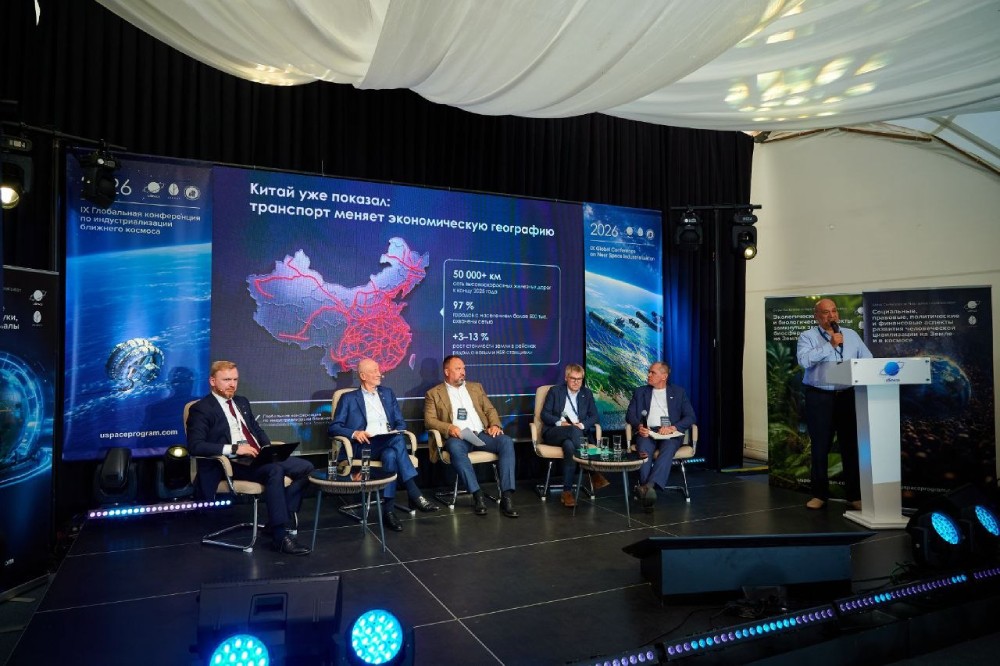
The 9th Global Conference featured 35 scientific reports. The research covered a broad range of topics related to the industrialization of near space, including space engineering, information technologies, biosphere energy, closed biosphere systems, and methods of organic farming in orbit. The conference also featured exhibition stands showcasing developments by the Unitsky Engineering Academy.
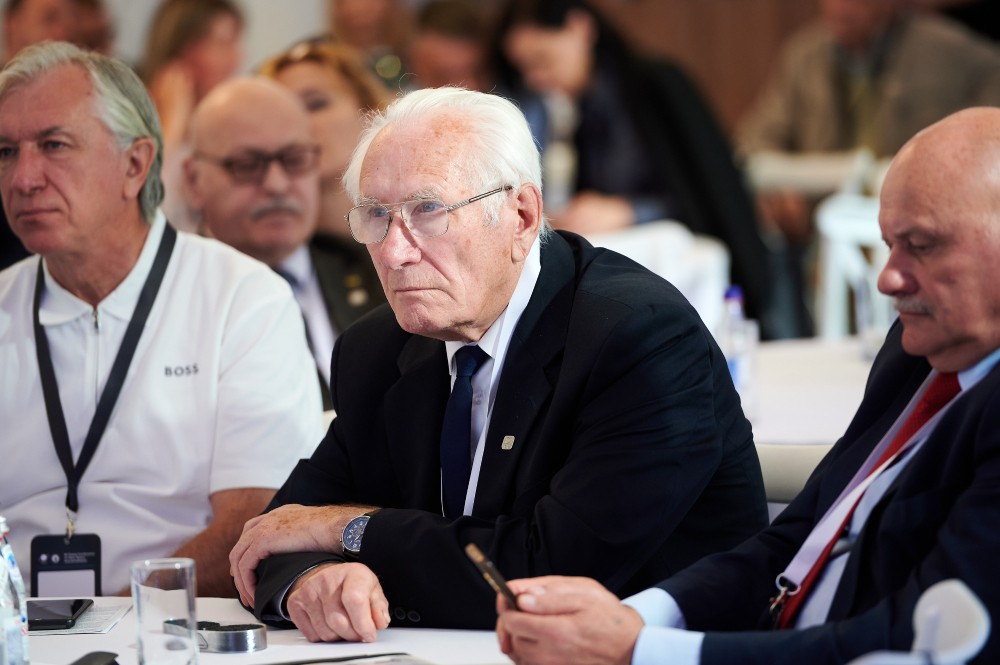
The event brought together scientists and engineers, as well as representatives of the National Academy of Sciences of Belarus, the Union State, BRICS, UNIDO, and the International Astronautical Federation (IAF) comprising more than 600 organizations from over 80 countries worldwide.
One of the key moments of the conference was the signing of a Joint Declaration on the Development of Space Activities and International Scientific and Technological Cooperation by Anatoli Unitsky, Chairman of the Organizing Committee of the Global Conference on Non-Rocket Near Space Industrialization, and Dr. Christian Feichtinger, Executive Director of the International Astronautical Federation.
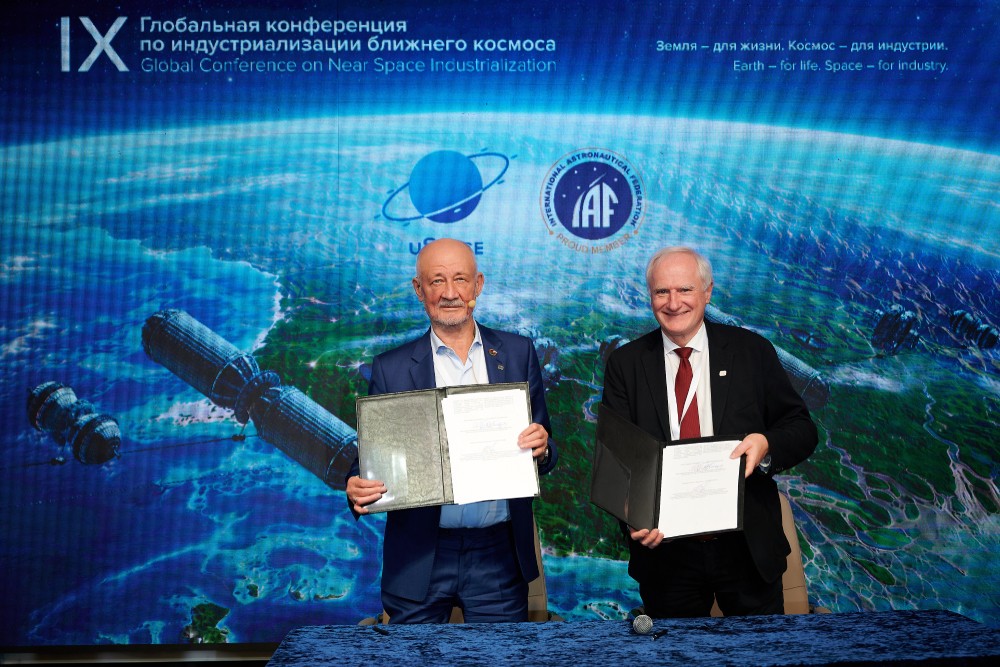
“I am a member of the Federation of Cosmonautics of the USSR. And for a long time, I wanted to become a member of the International Astronautical Federation as well. My wish came true last year: Astroengineering Technologies, the company I established to implement the uSpace program and where I serve as General Designer, became a member of the IAF,” Anatoli Unitsky said during the signing of the Declaration.
“Astroengineering Technologies is one of the member organizations of our association that does not live in the past and does not limit itself to the present, but confidently looks toward the future. We are pleased to provide our platforms, resources, and capabilities for cooperation and for the implementation of this large‑scale project,” Christian Feichtinger emphasized.
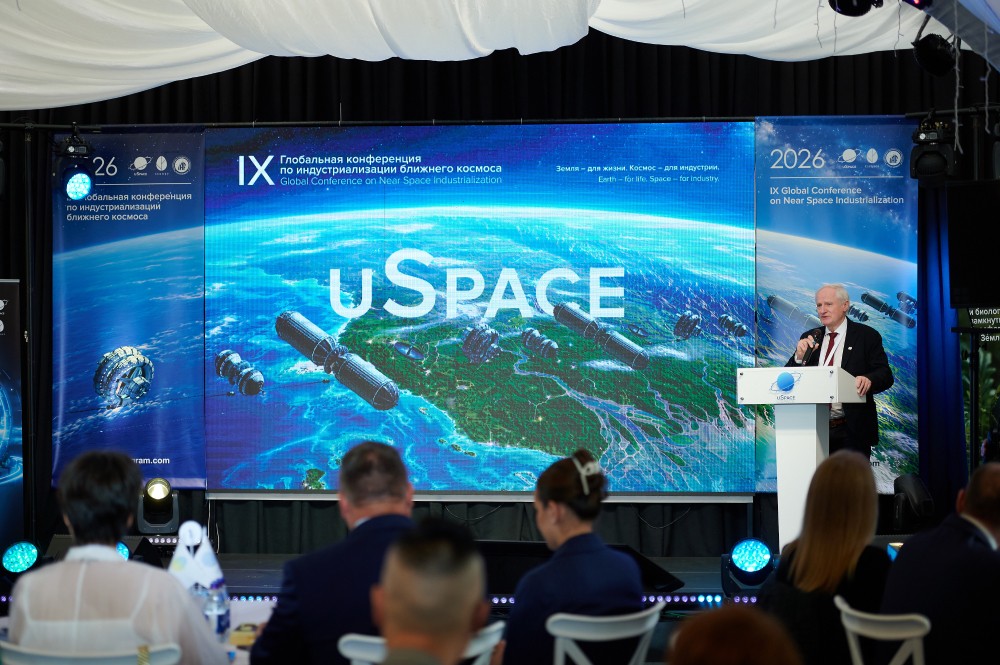
The history of the conference on non-rocket near space industrialization dates back to 1988, when Anatoli Unitsky organized an event that brought together more than 500 participants from the republics of the Soviet Union and neighboring countries. The forum was attended by leading engineers and scientists, as well as Soviet cosmonauts. It became the first and only event in the world dedicated to the non-rocket exploration of space.
In 2019, Anatoli Unitsky resumed the conference, which subsequently became an annual event. In 2024, the forum was granted global status and today unites members of the scientific and engineering communities from different countries.
“Earth — for Life, Space — for Industry” — guided by this principle, Anatoli Unitsky and the Unitsky Engineering Academy continue to develop biosphere technologies aimed at opening a new chapter in the development of near space — one that is large-scale, environmentally responsible, and based on the laws of physics.